Author: Furrvy Team
A consistent daily routine, a calm physical environment, and steady, positive handling are generally the most reliable ways to help ease anxiety in dogs, though what works can vary by individual dog and the underlying cause. For anxiety that is severe or persistent, involving your vet is worth doing alongside any routine changes at home.
Furrvy is a pet daycare and boarding centre in Gurgaon (also Gurugram) with centres in Sector 58 and Sector 27.
Quick Facts: Easing Dog Anxiety
| Approach | Why it can help |
|---|---|
| Consistent routine | Predictability tends to reduce stress |
| Calm environment | Reduces overstimulation |
| Positive, steady handling | Builds trust and confidence over time |
| Regular activity | Can help work off excess energy and tension |
| Severe or persistent anxiety | Involve your vet alongside routine changes |
What Generally Helps Calm an Anxious Dog?
A predictable daily routine, a calm environment, and consistent, positive handling from you tend to help most dogs manage anxiety better over time, though results vary depending on the individual dog and what is actually causing the anxiety. There is no single fix that works identically for every dog.
Understanding what specifically triggers your dog’s anxiety, separation, loud noises, unfamiliar situations, is a useful first step before deciding which approach to focus on.
Why Does Routine Matter So Much?
A consistent routine gives a dog a sense of predictability around feeding, walks, and rest, which can reduce the uncertainty that often underlies anxious behaviour. Dogs generally do not need a rigid, unchanging schedule, but broadly consistent patterns tend to help more than a chaotic or unpredictable one.
If your dog’s routine has been particularly erratic recently, working toward more consistency is a reasonable starting point before trying anything more involved.
How Does the Physical Environment Affect Anxiety?
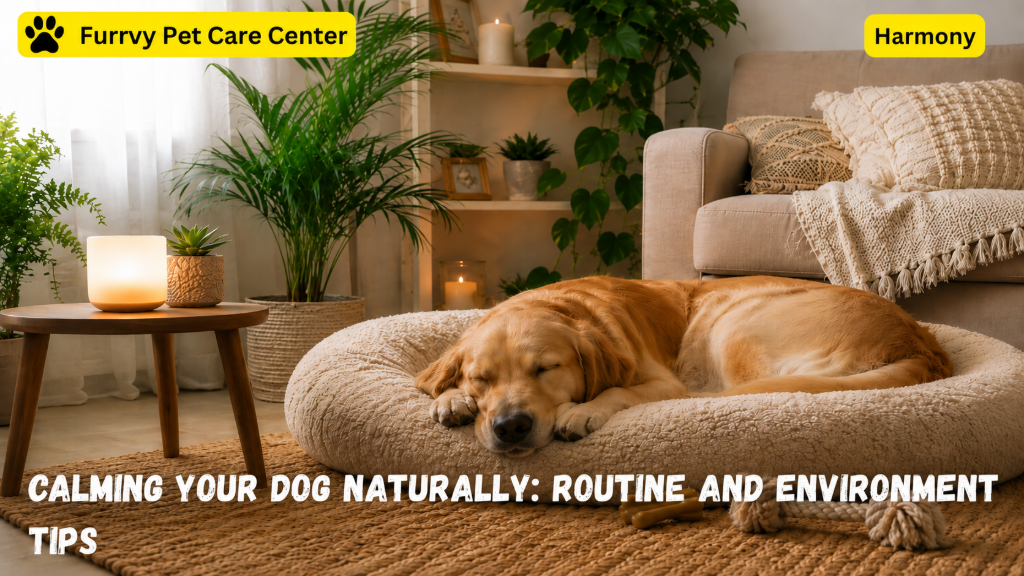
A calm environment, reduced clutter, a quiet resting space away from constant noise or activity, can help lower a dog’s overall stress level, particularly for a dog that is easily overstimulated. This does not mean eliminating all activity or stimulation, just providing a genuine option to retreat and settle when needed.
Consider whether your dog has a consistent, quiet space it can retreat to, since not every home naturally provides this.
Can Activity Level Affect Anxiety?
For some dogs, yes, regular physical and mental activity can help work off excess energy that might otherwise manifest as restlessness or anxious behaviour. This is not universally true for every anxious dog, some anxiety is not related to excess energy at all, so this is worth considering alongside other approaches rather than as a standalone fix.
What If My Dog’s Anxiety Seems Severe?
If your dog shows signs of significant or persistent anxiety, destructive behaviour, prolonged distress, physical symptoms like excessive panting or trembling, involving your vet is a sensible step alongside any routine or environmental changes you make at home. Some cases benefit from professional behavioural support or, in certain situations, veterinary guidance on additional options.
The American Kennel Club recommends veterinary involvement for anxiety that is significantly affecting a dog’s quality of life, rather than relying solely on routine adjustments.
How Long Does It Take to See Improvement?
This varies considerably by dog and by the underlying cause of the anxiety, some dogs respond within weeks to routine and environment changes, while others take longer or need additional support. The RSPCA notes that patience and consistency are generally more effective than expecting rapid change, and setbacks along the way are not unusual.
Frequently Asked Questions
What helps calm an anxious dog naturally?
A consistent routine, a calm environment, and steady positive handling tend to help most dogs, though results vary by individual dog and underlying cause.
Does more exercise help with dog anxiety?
For some dogs, yes, particularly if excess energy is contributing to restlessness. It is not a universal fix for every type of anxiety.
When should I involve a vet for my dog’s anxiety?
If the anxiety seems severe, persistent, or is significantly affecting your dog’s quality of life, involving your vet alongside any routine changes is a sensible step.
How quickly will routine changes help?
This varies. Some dogs respond within weeks, others take longer. Consistency and patience generally matter more than speed.
Is a completely quiet environment necessary?
Not entirely, but having a consistent, calm space your dog can retreat to when needed can help, without eliminating normal activity and stimulation.
Give Your Dog a Calm, Structured Routine
Furrvy’s daycare and boarding at its Sector 58 and Sector 27 centres in Gurgaon follow a consistent daily structure. To ask how this might help your dog, message us on WhatsApp: 💬 6355093941.
Related reading: Signs Your Dog Needs Daycare | Dog Daycare in Gurgaon | How to Prepare Your Dog for Their First Boarding Stay | Dog Boarding During Diwali and Holidays